
The only way your water supply remains safe is to have the backflow prevention device on your property functioning properly. Usually small errors in the device are not discovered until a scheduled test brings the actual issue to light. That is why annual backflow testing in Cabot, AR is a daily safeguard for your drinking water, home and business. If you know what the typical problems are that testers will see, then you can resolve them quicker and without the added expense. This guide explains the common issues encountered during inspections and their actual meaning for you.
Why Annual Testing Matters for Your Property?
Backflow usually happens when contaminated water enters the clean water lines. Annual testing reassures you that your device continues to prevent the reverse flow. This also prevents contaminated water from being delivered to your taps. Professional cross connection control in Cabot AR depends on catching faults early before they turn into serious health risks. By overlooking these tests, you put your family and your customers at risk with unknown risks to water quality.
Worn or Damaged Internal Components
Rubber seals as well as springs and check valves inside your device wear down slowly after years of constant water pressure. Cracks often appear in seals where water can get in and compromise the protection you are counting on. If your report shows failing parts, searching for backflow preventer repair near me helps you restore full function quickly. When your components are worn, repair them as early as possible. So you can keep your device tightly closed, and your water clean, between annual checks.
Leaking Relief Valves
The relief valve releases pressure and dumps water when the check valve inside your device starts to fail. A valve that won’t shut off is typically indicated by a constant drip or puddle around the assembly. A plumbing inspection near me will determine if the leak is from the valve or another fitting. When you have a leak in your valve, your protection level stays exactly where it needs to be, if you fix the leak quickly.
Signs You Should Watch For
- Water pooling around the device base after normal daily use
- Sudden drops in water pressure inside your building
- Discolored or odd tasting water coming from your faucets
- Visible corrosion or rust forming on the outer assembly body
Corrosion and Mineral Buildup
In Arkansas, the hard water causes mineralization and eventually impedes the functioning of the moving parts within your backflow assembly. As time passes, the buildup can clog valves and prevents them from closing off reversed water flow properly. Cleaning these deposits before they completely block the device is the first step of water contamination prevention. When testers spot heavy corrosion, cleaning or replacing affected parts brings your protection back to full strength.
Improper Installation or Orientation
Some devices fail tests just because they were installed backwards, too low or with the wrong clearance distance. Wrong placement makes it difficult for the technician who will be performing the testing and will affect the proper drainage. An irrigation system compliance check usually reveals sprinkler backflow units mounted incorrectly during earlier landscaping or plumbing work. That will prevent repeated failures and ensure your setup is ready for the next inspection.
Freeze Damage From Cold Weather
Cabot winters bring freezing temperatures that crack pipes and split the metal body of exposed backflow devices. During the year, frozen water distends the assembly and causes the internal parts to leak or fail. This led to the assembly failing. That is why you should Insulate your device before the cold season starts as this will help keep it safe and prevent you from having to pay an unexpected repair bill later.
What Happens During a Certified Inspection?
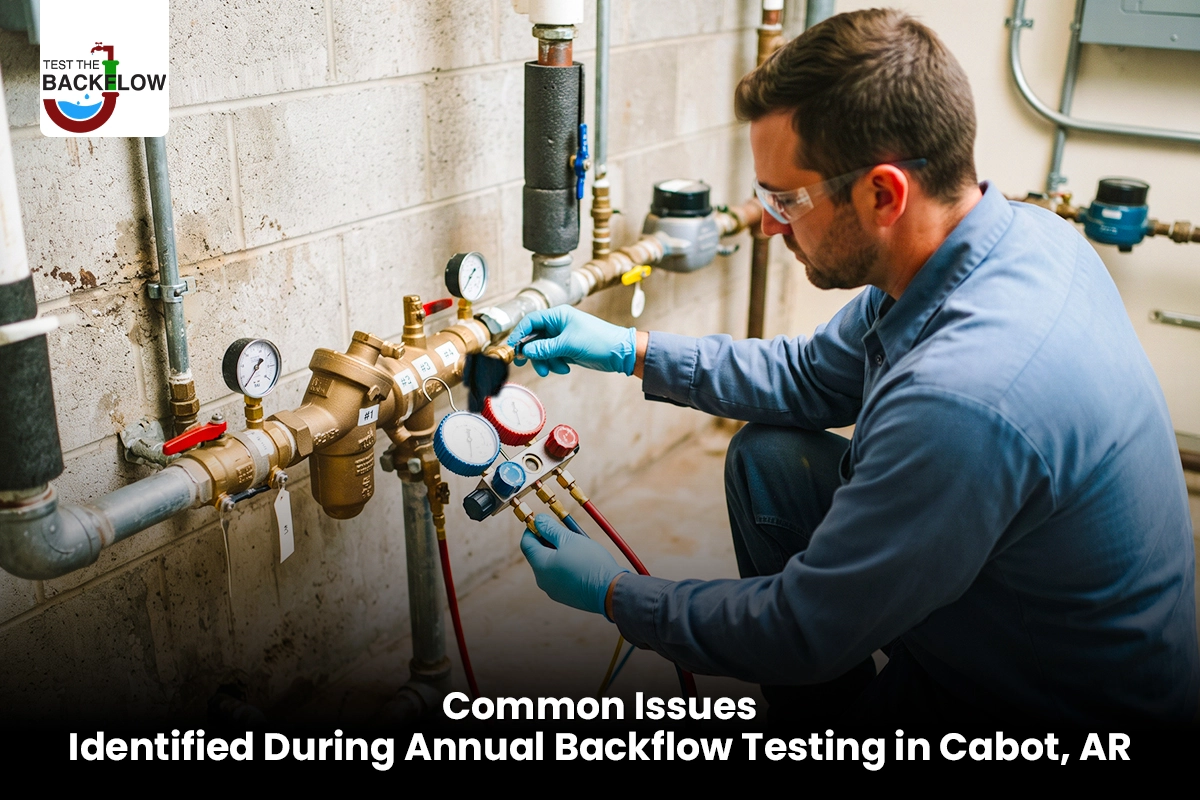
A certified device inspection is performed with strict procedures to ensure that all of the valves, seals and gauges in your unit operate properly. The tester will test the pressure and test each check valve and record the results of whether your device meets the standards or not. You’ll then get a water safety compliance report with the exact results and what repairs your device requires if any. Having this report filed on file will demonstrate that your property is protected from backflow and complies with local regulations.
Fixing Problems Before They Grow
Most problems that testers discover are inexpensive and easy to fix as soon as they are identified during the inspection. Ignoring a failed report lets minor faults spread into full device failure and larger repair costs down the road. Your water stays clean and your property is fully compliant with Cabot regulations year after year with a quick booking of repairs. Staying ahead of these problems gives you steady peace of mind about the water everyone around you drinks.
Conclusion
Annual testing for worn parts or leaks and corrosion as well as freeze damage and installation problems will prevent them from jeopardizing your water supply. Once you know what these common problems are, you will be able to solve them quicker and keep your dependents protected on a daily basis. Maintain a calendar of tasks as well as follow all reports and rectify all failures as soon as they are reported by the tester. Contact Test The Backflow Today to schedule your inspection and ensure your water is safe, clean and fully compliant.