
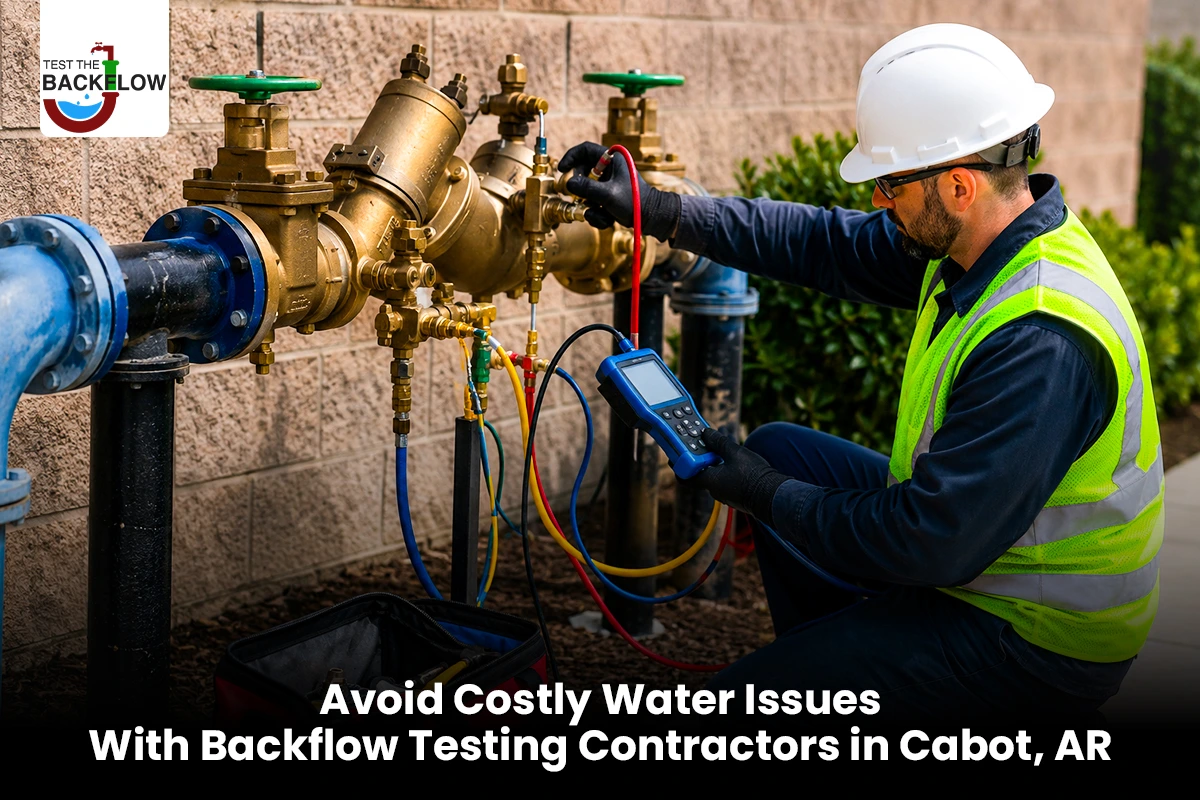
When the pressure fluctuates suddenly without warning, your drinking water can flow in opposite directions within pipes. That reverse draws contaminants from irrigation lines and boilers or hoses straight back into your clean supply. Most homeowners usually don’t realize there is a problem until the water has already gotten a bad taste or is cloudy. When you work with backflow testing contractors in Cabot, AR, you catch these hidden risks early. A yearly test confirms your protection device still stops dirty water from flowing the wrong way. This guide explains what happens plus why it matters and the practical steps you should take next.
What Backflow Actually Means for Your Property?
Backflow occurs when water flows against the pressure and direction it was designed to go. This typically occurs after a sudden pressure drop like a main leak or a heavy use of the fire hydrant nearby. When pressure drops, your pipes can siphon water from tanks as well as hoses or chemical lines. This backwards pull is what is causing the contamination to get into the system which was formerly thought to be completely safe.
How Backflow Prevention Protects Drinking Water?
Understanding how backflow prevention protects drinking water starts with one simple mechanical idea worth remembering. The prevention device is similar to a one-way valve that prevents reversion of water to the source. If the pressure changes, these checks close valves within the system and prevent pollutants from getting to the tap. This one barrier still separates your house or business from the contamination points.
Understanding the Causes of Water Line Contamination
When you know the common causes of contaminated water lines, this will help you spot trouble before it spreads. Most issues trace back to a few repeatable conditions found across homes and businesses.
- Cross-connections between clean supply and irrigation or industrial equipment
- Sudden pressure loss from water main breaks or fire department demand
- Aging valves that no longer seal tightly during pressure swings
- Garden hoses left submerged in pools and buckets or chemical containers
- Boilers and cooling systems tied directly into the potable line
Each cause forms a route through which dirt may enter clean pipes.
Why Routine Testing and Repair Matter?
A device that passed last year can still fail quietly this year without any warning. Valves fail to seal properly as well as rubber seals wear down and springs weaken. A small mechanical problem will not become a health risk if you schedule backflow repair services in Cabot, AR in advance. Each valve is tested, pressure differentials are checked and the device is determined to comply with local code by a technician.
When You Need Backflow Preventer Repair
You may need backflow preventer repair when a test shows leaking valves or failed pressure readings. Failure to act on a negative result can put your family as well as tenants or customers at actual risk of contamination. Repair in a timely manner equals protection and make sure you meet municipal requirements as well as inspection deadlines.
Comparing Your Backflow Service Options
All services are not the same so you should be aware of the differences so that you can make an informed choice. The table below categorizes common options and the usual content of each.
| Service Type | What It Covers | Best For |
| Annual Backflow Testing | Device inspection, pressure checks, compliance reporting | Meeting yearly city requirements |
| Backflow Preventer Repair | Valve replacement, seal fixes, retesting after work | Devices that fail an inspection |
| Cross Connection Control | Identifying and separating risky connections | Properties with irrigation or equipment |
| New Device Installation | Sizing, mounting, and certifying new units | New builds or replacements |
Use this comparison to match your property needs with the level of service you should get.
Staying Compliant and Protected Year-Round
Many Arkansas cities require certified testing, so a plumbing compliance inspection near me search often follows a notice letter. Cross connection control services in Cabot, AR ensures those separations remain intact between clean and non-potable water. Water safety inspection services in Little Rock, AR are based on the same fundamental testing methods for areas close to the customer. Looking up backflow prevention equipment near me will link you to certified backflow prevention devices and installers to replace your device when needed.
A Simple Yearly Action Plan
Here are some tips to prevent scrambling at the end of the year when it comes to protecting your water supply.
- Have a certified test done before compliance date.
- If a device fails the pressure test, repair or replace the device.
- Check hoses and equipment for hazardous cross-connections during each season
- Have a log of tests on hand for your local water company
- Make an appointment to remind you to do it next year
This routine turns a stressful requirement into a predictable, manageable maintenance habit.
Protect Your Water Before Problems Start
Backflow problems remain hidden until they impact on your health, finances or compliance status. Protect your water and your peace of mind by testing, repairing and keeping records annually. The inspection, paper work, and repairs are carried out by certified contractors, ensuring that you are covered without any guess work. You should not take any chances with water safety. Contact the professionals at Tes t The Backflow to protect your property today.
Key takeaway: Routine testing and repair keep contaminants out as well as keep you fully compliant every single year.
FAQs
What does backflow testing actually check on my property?
The backflow testing checks whether your prevention device is able to stop dirty water from flowing backward into your clean drinking supply or not.
How do I know when I need backflow preventer repair?
You need repair when a test shows leaking valves or failed pressure readings, since ignoring failures risks real contamination for everyone.
Why does cross connection control matter for my home or business?
Cross connection control keeps clean water separated from irrigation and boilers or equipment at the same time blocking contaminants from traveling back into your safe supply.
How often should I schedule a water safety inspection?
Schedule certified testing yearly before your compliance date, and let Test The Backflow handle the inspection, paperwork, and repairs without guesswork.
What causes contaminated water lines in the first place?
Contamination often follows pressure drops, submerged garden hoses, worn valves, or equipment tied directly into your clean potable water line.