
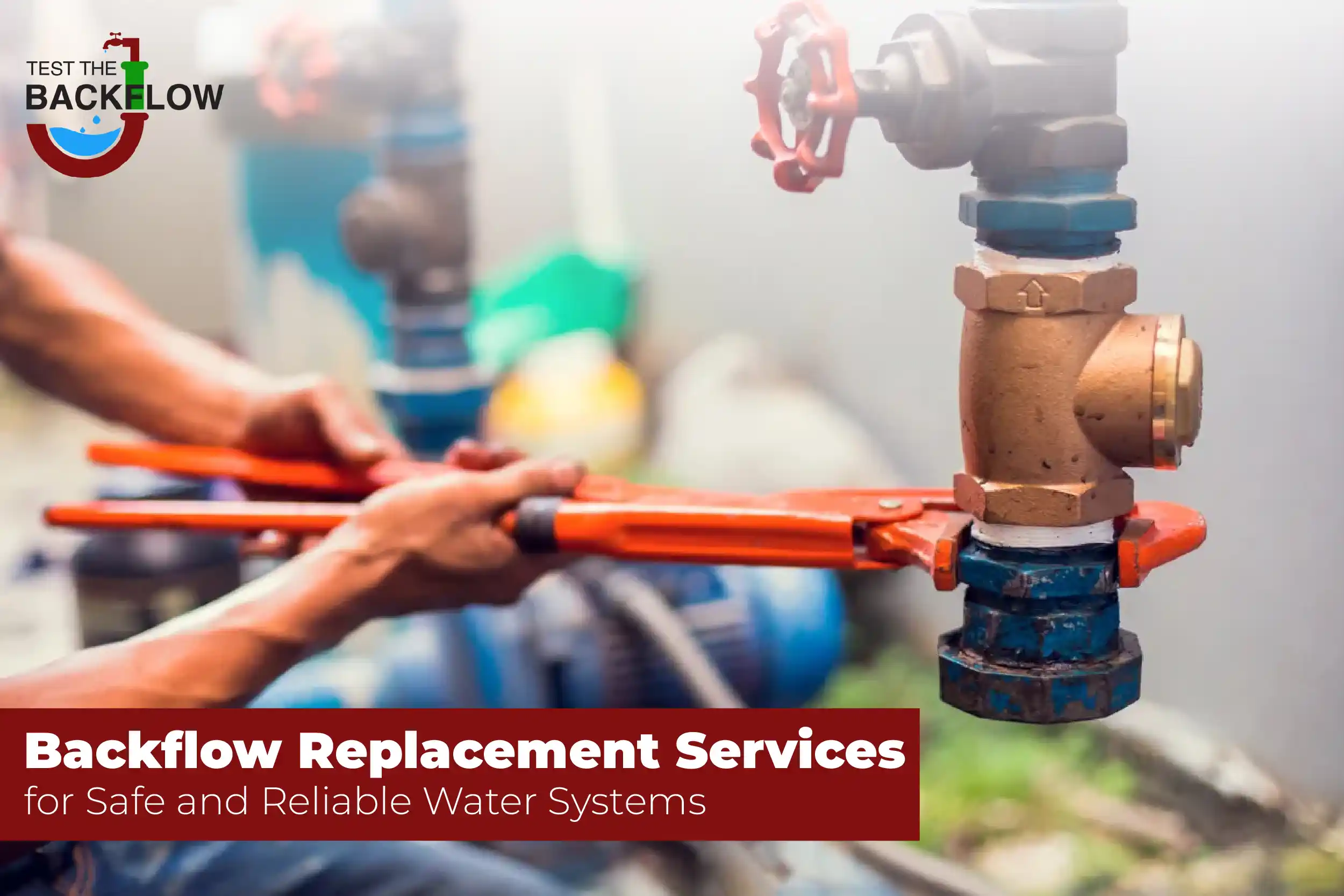
Clean water is something we often take for granted. You switch on the tap and pour yourself a glass and hope that it will be safe. However, in the background, intricate piping networks will be doing their best to keep the contaminants out. Your backflow preventer is a very important component of this defense. Failure of this device endangers your family or your employees. The initial step in ensuring that you have a secure supply of water is to find dependable backflow replacement services in Cabot, AR.
This article will take you through the process of knowing the risks of backflow and identifying warning signs of failure as well as what to anticipate during replacement.
Understanding Backflow and Water System Risks
The majority of the citizens think that water moves in one direction only, and it is the city main to their building. This flow may be reversed however by sudden shifts in pressure. This effect is referred to as backflow. This is risky as the dirty water, chemicals, or sewage will be drawn back in your clean water lines.
The gatekeepers to prevent the occurrence of this are the backflow prevention devices. They are guided by the check valves that make sure that water flows in one direction. In the absence of them, cross connection hazard is a grave menace. Any point at which your clean water supply comes into contact with a source of pollution is termed as a cross connection. Common examples include:
- Irrigation systems with fertilizer runoff.
- Fire suppression systems containing stagnant water.
- Industrial boilers with chemical additives.
These hazards may overflow the contaminants to drinking water in case the water pressure in the city reduces as a result of a broken main or use by firefighters. The only defense against this contamination is a functioning preventer.
Signs Your Backflow Device Needs Replacement
Like any mechanical device, backflow preventers wear out over time. Rubber seals degrade, springs lose tension, and metal components can corrode. Recognizing the early warning signs can save you from a complete system failure or a health violation.
One of the most obvious backflow failure symptoms is visible leaking. If you see water pooling around the assembly or dripping constantly from the relief valve, the internal parts are likely compromised. Discolored or bad-tasting water is another red flag that requires immediate attention.
You might also notice water pressure issues throughout the building. If the check valves inside the device aren’t opening fully, they restrict flow. This leads to low pressure in showers, sinks, and other fixtures. Additionally, if the device cycles on and off rapidly or makes loud banging noises, it is struggling to maintain the correct pressure balance. Ignoring these signs puts your plumbing at risk.
The Professional Backflow Replacement Process
Replacing a backflow preventer isn’t a DIY job. It requires specialized knowledge of plumbing codes and hydraulic principles. That is why you need certified backflow technicians to handle the installation. These professionals understand the specific regulations for your area and the type of hazard your property presents.
When you hire a pro, the process begins with an assessment. They will determine the correct size and model for your needs. Next, they ensure compliant installation. This is crucial because an improperly installed device won’t pass inspection and might not protect your water.
During installation, technicians will also ensure proper clearance for future testing and repairs. For residents and business owners looking for Annual Backflow Testing in Cabot, AR, proper installation makes this yearly requirement much easier and faster. A professional ensures the device is accessible and supported correctly to prevent stress on your pipes.
Ongoing Testing and Maintenance for Long Term Protection
Installation is just the beginning. To ensure your water remains safe, you must commit to a schedule of care. Most municipalities mandate annual backflow testing. This test verifies that the internal check valves are holding pressure and that the relief valve opens when it should.
During this test, a certified tester connects a specialized gauge to the assembly. They simulate pressure drops to see how the device reacts. If it fails, repairs or replacement must happen immediately to maintain compliance.
Beyond the legal requirements, preventive maintenance extends the life of your unit. This might involve cleaning debris from the strainers or replacing rubber seals before they fail completely. Regular maintenance helps you avoid emergency replacements and unexpected water shut-offs. It is a small investment that protects your plumbing infrastructure and, more importantly, the health of everyone who uses your water.
Conclusion
Safe water is a necessity, not a luxury. By understanding the risks of backflow and staying vigilant for signs of failure, you can protect your property from contamination. Professional replacement and regular maintenance are the keys to a reliable system. Don’t wait for a crisis to check your plumbing. Trust the experts at Test The Backflow to keep your water clean and your systems compliant.